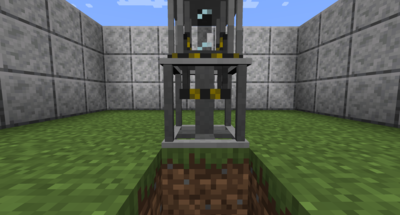
Fission Reactor
Overview
The fission reactor is the first source of nuclear energy available in Nuclear Science. Rudimentary but effective, it heats water to produce steam that powers electrical turbines.
Step 1 — Core Construction
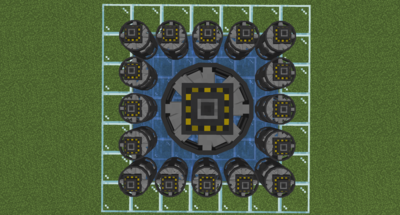
Begin by crafting a Fission Reactor Core. Place it in the center of a 5×5×2 block water area for cooling.
Tip
A 7×7×2 volume is recommended rather than the 5×5×2 minimum, as the reactor consumes water sources within its cooling volume during block updates.
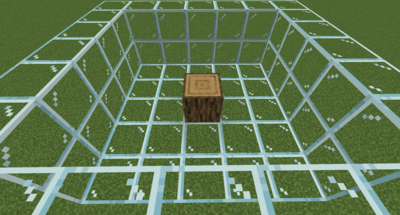
Step 2 — Adding Turbines
Cover the top of the water volume with Steam Turbines. You can use single turbines or group 9 turbines into a large 3×3 turbine using a wrench. Then, connect the turbines to a power cable.
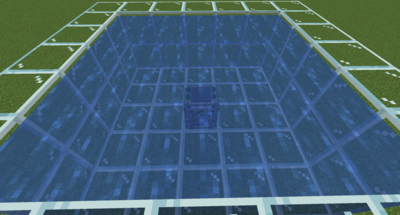
Step 3 — Fuel
The reactor needs fuel rods to produce heat. Three types are available:
| Fuel Rod | Max Temp | Uses |
|---|---|---|
 Highly Enriched Rod (HEU) Highly Enriched Rod (HEU) |
1417 °C | 96,000 |
 Enriched Rod (LEU) Enriched Rod (LEU) |
1075 °C | 24,000 |
 Plutonium Rod Plutonium Rod |
1075 °C | 120,000 |
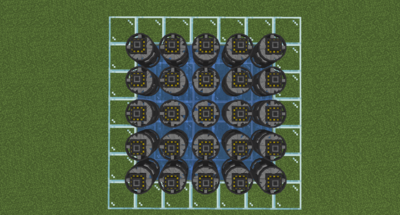
Temperature Management
The hotter the core, the more steam and electricity it produces. However, above 1417 °C, the reactor risks melting down. Meltdown is not immediate, but the risk increases the longer it spends in overheat.
Danger — Reactor Meltdown
An overheating reactor can melt and cause a radioactive explosion. Always monitor the temperature and use control rods to regulate it.
Control Rod
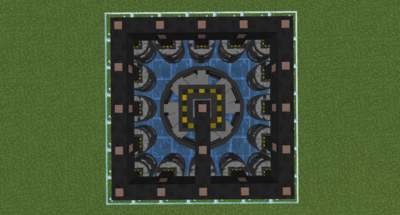
To prevent overheating, place a Control Rod beneath the reactor core.
- Right-click — extends the rod (slows down reaction)
- Shift + Right-click — retracts the rod (speeds up reaction)
- Full extension = total shutdown of the reaction
Tritium Production
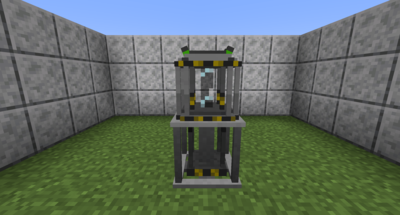
Place a Deuterium Cell inside the active core to produce tritium. Conversion is random, but the probability increases with core temperature.
Tip — Tritium
Tritium is essential for powering the fusion reactor. Start producing it early!